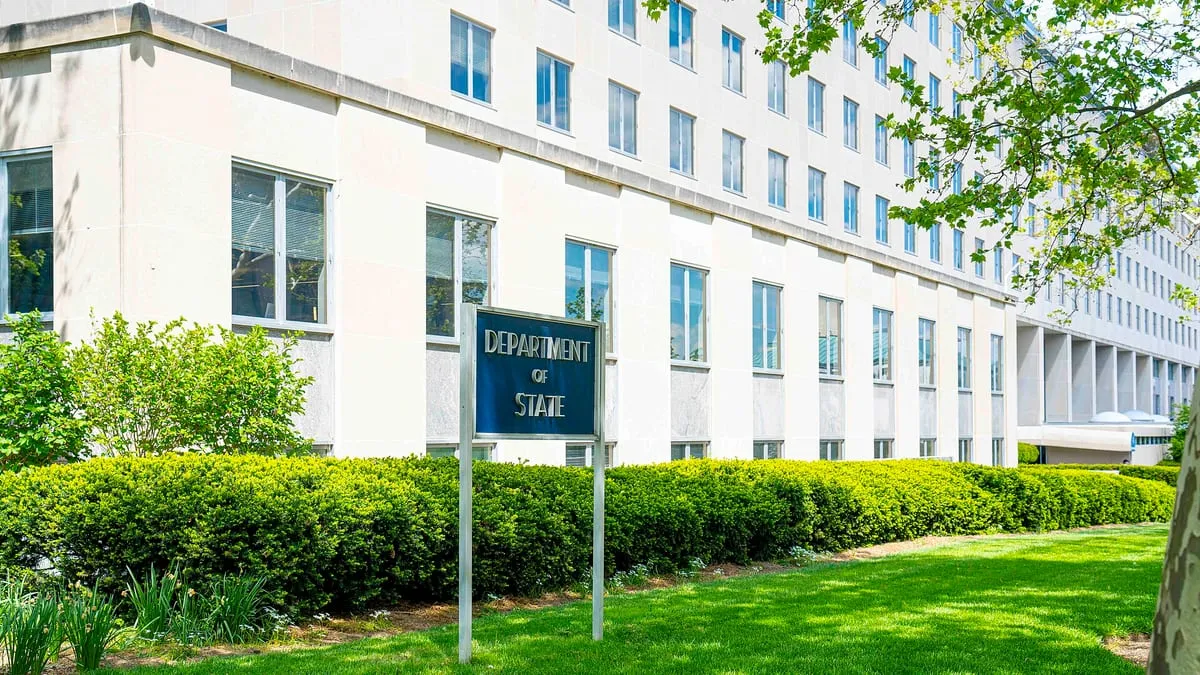
The United States will pay as much as $20 million for information about Iran’s nuclear program. The offer, posted this week by the State Department’s Rewards for Justice program, asks for details on nuclear scientists and staff, technologies tied to the program, its capabilities, and the organizations and people connected to it. Tipsters may also be eligible for relocation.
The announcement comes at a tense moment. President Donald Trump has said Iran will never be allowed to build a nuclear weapon, and he met with his national security team on Thursday to discuss whether to resume military strikes, a decision he had said he would hold until after the midterm elections.
What the State Department is asking for
In its announcement, Rewards for Justice invited people with knowledge of Iran’s nuclear program, assets or associated individuals to send information through the encrypted messaging app Signal or through a tip line on the Tor network, which hides a user’s location. The State Department said the US remains committed to countering any Iranian attempt to develop nuclear weapons.
The categories it listed are broad:
- Nuclear scientists and staff working on the program.
- Technologies and capabilities linked to it.
- Organizations and personnel associated with it.
That suggests the goal is not one specific fact but a fuller picture of who is doing what, and where.
How Rewards for Justice works
Rewards for Justice was created by Congress in 1984 and is run by the State Department’s Diplomatic Security Service. It pays for information that helps prevent terrorism, identify people behind attacks on Americans, disrupt the finances of terrorist groups or, more recently, expose state-backed threats such as cyberattacks and weapons programs. According to the program, it has paid more than $250 million to over 125 people since it began.
A few points are often misunderstood:
- Payment is not automatic. The information has to be verified and has to prove useful, and the final decision is made by the secretary of state.
- Identities are protected. Many recipients are never publicly named, and relocation, including for family members, can be part of an award.
- The amount is a ceiling. “Up to $20 million” means awards are set case by case.
Why now
Washington and Tehran are still negotiating over Iran’s nuclear program, but those talks have stalled, and the threat of renewed force hangs over them. Trump said on Thursday that the US would “make a decision” soon about resuming strikes, and he has questioned whether earlier operations went far enough. Reports citing US officials say Central Command is finalizing preparations in case major operations resume, though it has not received a new order.
Against that backdrop, a public reward does two things. It is a practical intelligence request: after earlier strikes on Iranian nuclear sites, knowing what equipment, material and expertise survived is critical to any decision. It is also a message, both to people inside the program that the US will pay for what they know, and to Iran’s leadership that its scientists and suppliers are being watched.
What it means for Americans
For most people in the US, the direct effect is small. The bigger question is whether the region slides back toward open conflict. A resumption of strikes could affect oil prices, travel advisories and the safety of US troops and diplomats in the Middle East. US embassies in the region have already warned Americans about the risk of sudden escalation.
It also sets up an early clash with the incoming Democratic Congress, which takes office in January and is likely to push for a say in any decision to use military force.