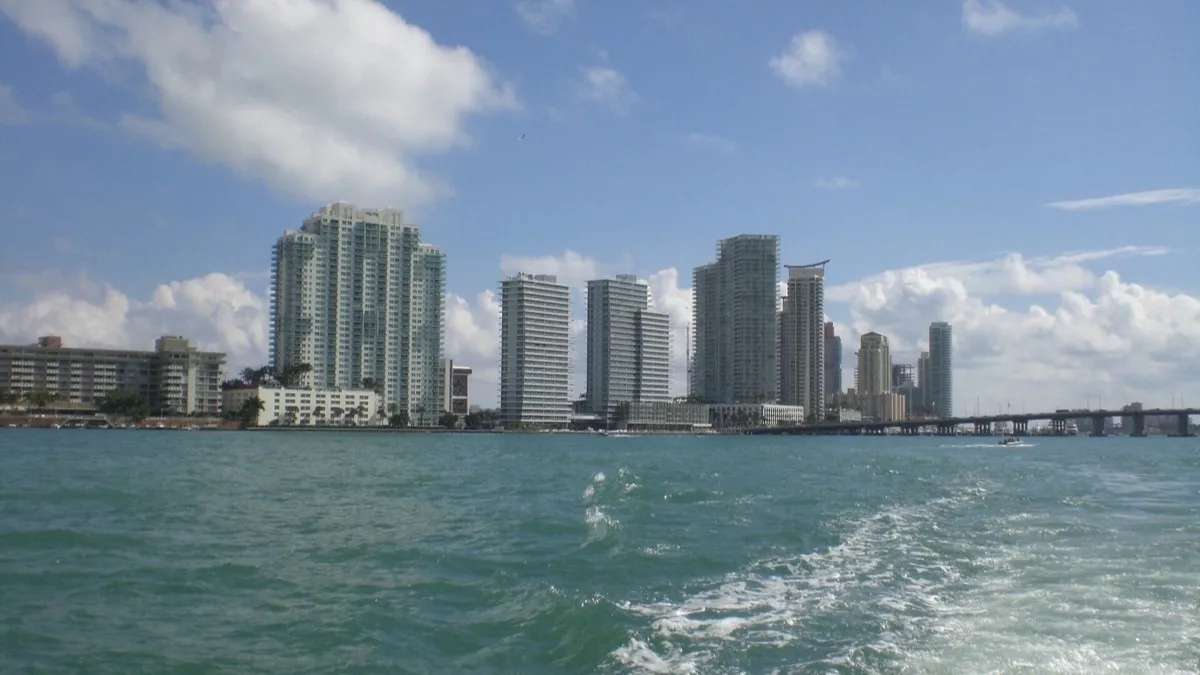
In mid-December, leaders of the world’s largest economies are scheduled to gather near Miami for the G20 summit, hosted by the United States at the Trump National Doral resort on December 14 and 15. The meeting will produce headlines, handshakes and a final statement. But what is the G20, and what can it actually do?
What the G20 is
The Group of Twenty is a forum where the leaders of major economies meet to coordinate on the global economy and other shared problems. It has 21 members: 19 countries, the European Union and, since 2023, the African Union.
The member countries are Argentina, Australia, Brazil, Canada, China, France, Germany, India, Indonesia, Italy, Japan, Mexico, Russia, Saudi Arabia, South Africa, South Korea, Turkey, the United Kingdom and the United States.
Together, its members account for the large majority of the world’s economic output and trade and about two-thirds of the world’s population.
How it started
The G20 began in 1999 as a meeting of finance ministers and central bank governors, after a series of financial crises in Asia and elsewhere showed that the existing club of rich democracies, the G7, didn’t include enough of the countries that mattered to the global economy.
It became a summit of presidents and prime ministers during the 2008 financial crisis. Leaders met to coordinate economic stimulus and new financial rules, and that response is still seen as the G20’s most important achievement.
How it works
The G20 has no headquarters, permanent staff or treaty. Instead, a rotating presidency passes from member to member each year. The country holding the presidency sets the agenda, hosts dozens of meetings of ministers and officials throughout the year and organizes the leaders’ summit.
Decisions are made by consensus, and nothing the G20 agrees is legally binding. Its influence comes from leaders committing in public and then acting through their own governments and institutions such as the International Monetary Fund and the World Bank.
The 2026 U.S. presidency
The United States took over the G20 presidency from South Africa, which hosted the 2025 summit in Johannesburg. The administration has said it wants a narrower agenda focused on economic growth, with priorities including regulatory reform, energy security and technological innovation. Its handover from South Africa was marked by a public dispute, and the White House has said South Africa will not be invited to the Miami summit, an unusual step for a member country.
G7 vs. G20
- The G7 is a smaller group of seven advanced democracies: Canada, France, Germany, Italy, Japan, the United Kingdom and the United States, with the EU also taking part. Its members share many values and often act together.
- The G20 adds major emerging economies such as China, India, Brazil, Indonesia and Saudi Arabia. It is more representative of the global economy, but its members disagree more, which makes agreement harder.
What to watch in Miami
- Whether the leaders agree on a joint statement at all, which has become harder in recent years.
- Commitments on trade and tariffs, where tensions between major economies affect prices worldwide.
- Energy and technology, the stated priorities of the U.S. presidency.
- Which leaders attend in person, and which side meetings happen, often the most newsworthy part of any summit.
What we think
The G20 is only as strong as its members’ willingness to cooperate. It has no power to enforce anything, and in calm times its summits can feel like expensive photo opportunities.
But the forum earns its keep in a crisis, as it did in 2008, when getting the world’s biggest economies into one room quickly made a real difference. The Miami summit is a test of whether that kind of cooperation is still possible when its members are as divided as they are today.