Tuesday’s election did more than flip control of Congress. In two of the country’s most important cities, voters chose mayors who belong to the Democratic Socialists of America (DSA). Los Angeles City Councilmember Nithya Raman defeated incumbent Mayor Karen Bass, and Washington, D.C., Councilmember Janeese Lewis George won the race to lead the nation’s capital.
They join New York City Mayor Zohran Mamdani and Seattle Mayor Katie Wilson, meaning four of the 20 most populous US cities will soon be run by self-described democratic socialists. Together those four cities are home to about 14 million people, and their wider metro areas to more than 40 million.
Who won
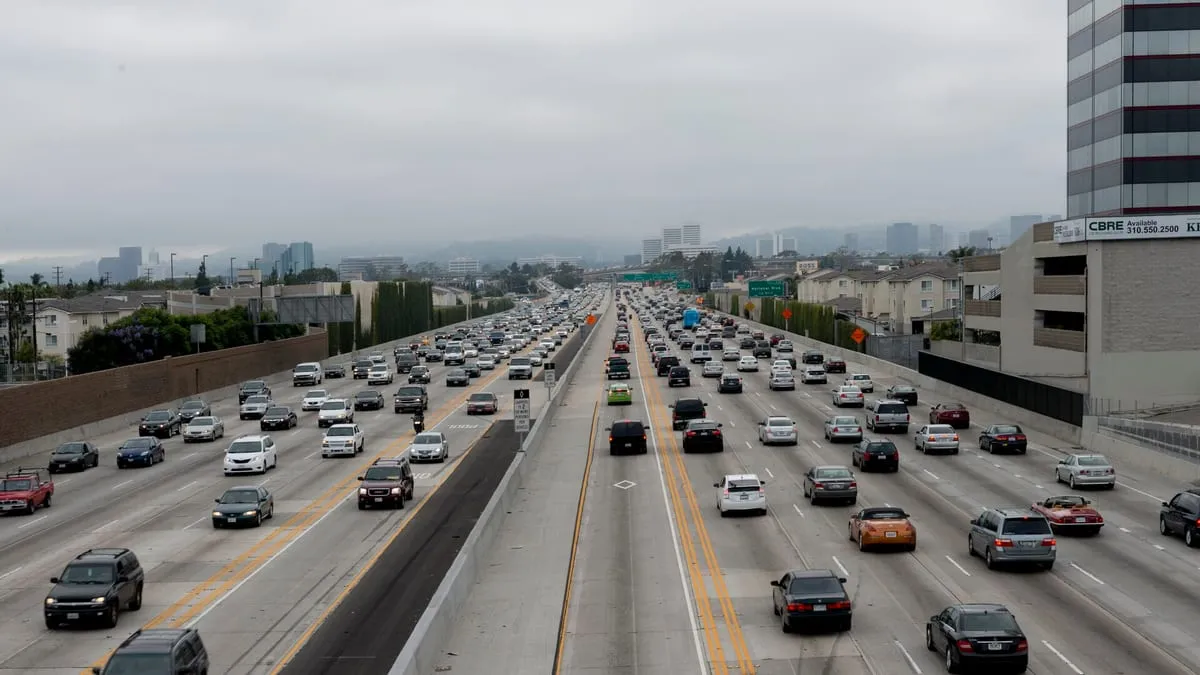
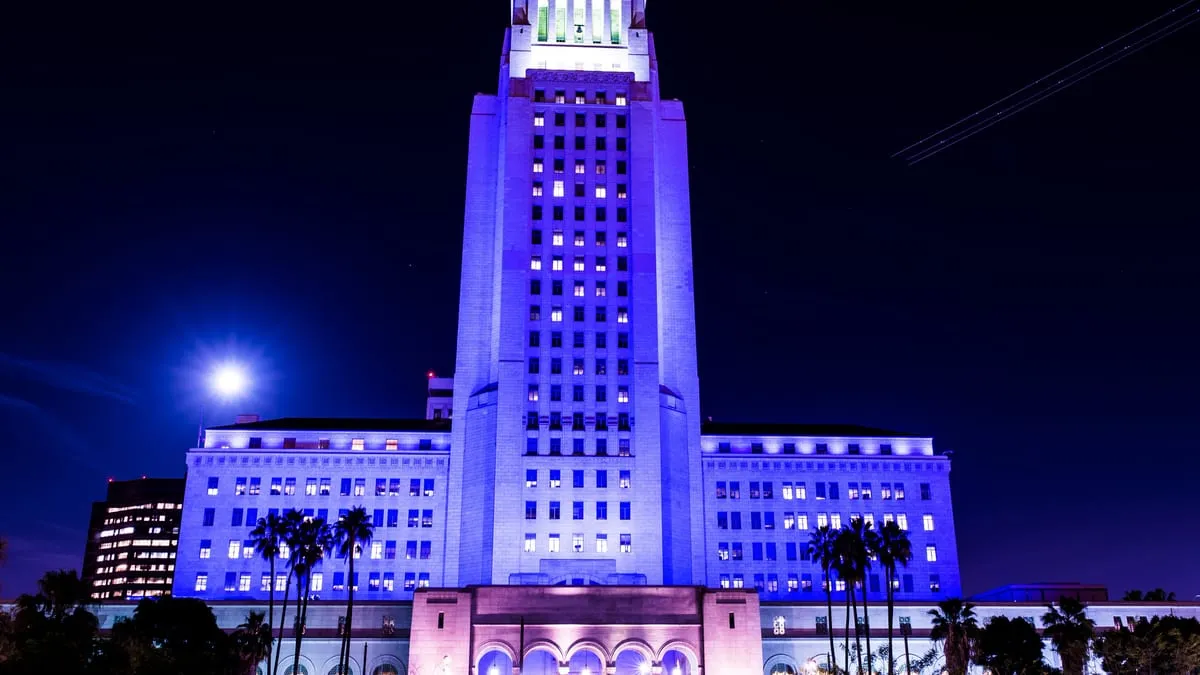
Los Angeles. Raman, a member of the City Council since 2020, ousted Bass, a rare defeat for a sitting big-city mayor. She takes office in December and will lead a city of roughly 4 million people that is still recovering from the January 2025 wildfires and is preparing to host World Cup matches and the 2028 Olympics.
Washington, D.C. Lewis George, a member of the D.C. Council, won comfortably. She will govern a city of about 700,000, which is unusual because Congress has the final say over the District’s laws and budget. She has signaled a willingness to work with the Trump administration where possible.
New York and Seattle. Mamdani took office in New York in January after winning in 2025. Wilson, a transit and housing organizer, won Seattle’s mayoral race the same year.
What democratic socialism means here
The label can be confusing. In US city politics, democratic socialists generally do not propose government ownership of most businesses. Their platforms tend to focus on:
- Housing: stronger tenant protections, rent stabilization and public or social housing.
- Cost of living: free or cheaper public transit, city-run grocery stores in some proposals, and higher minimum wages.
- Taxes: higher taxes on the wealthy and large corporations to pay for services.
- Policing: shifting some calls, such as mental health crises, to non-police responders.
Critics argue these policies could raise taxes, drive away businesses and higher earners, and strain budgets already stretched by pandemic-era costs. Supporters say the cities’ affordability crises demand bolder action than traditional Democrats have offered.
What a mayor can actually do
Campaign promises run into hard limits once in office. Mayors propose budgets, but city councils approve them. Many of the biggest levers, such as rent control rules or new income taxes, are controlled by state law; in New York and California, legislatures in Albany and Sacramento often have the last word. Washington’s mayor must also contend with Congress. Federal funding, courts and public employee unions shape the room to maneuver as well.
That is why the most immediate changes usually come through things a mayor fully controls: appointments, agency priorities, permitting, and how the city enforces existing laws.
The national picture
The left’s gains were not limited to city halls. Several DSA-backed or aligned candidates won House seats on Tuesday, including in New York, Pennsylvania, Colorado, Michigan and California. Public opinion has shifted too: a Fox News poll found 32% of voters view socialism favorably, tied for its highest level since the network began asking in 2019, while a September Gallup survey put positive views at 43%, a record in its tracking since 2010. Capitalism still polls better overall.
What to watch
Early tests will include each mayor’s first budget, their approach to policing and homelessness, and how they handle relations with state governments and the White House. Los Angeles faces the added pressure of the Olympics timeline, and Washington’s new mayor will be watched closely by a Congress that can override the city.