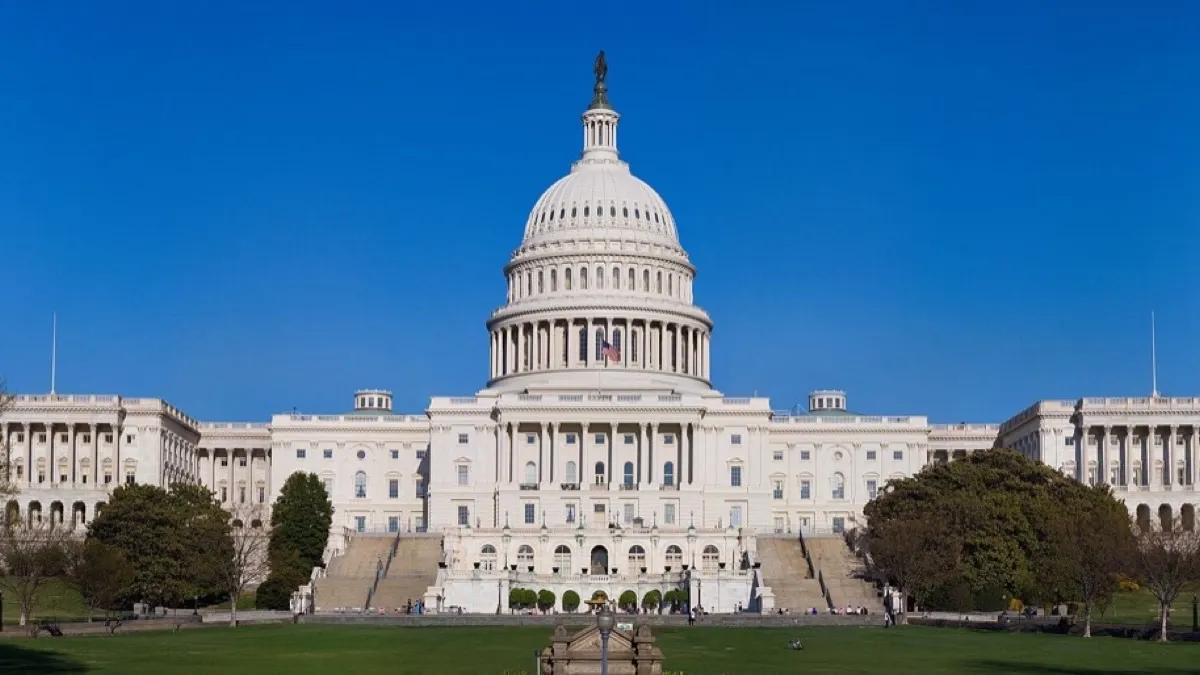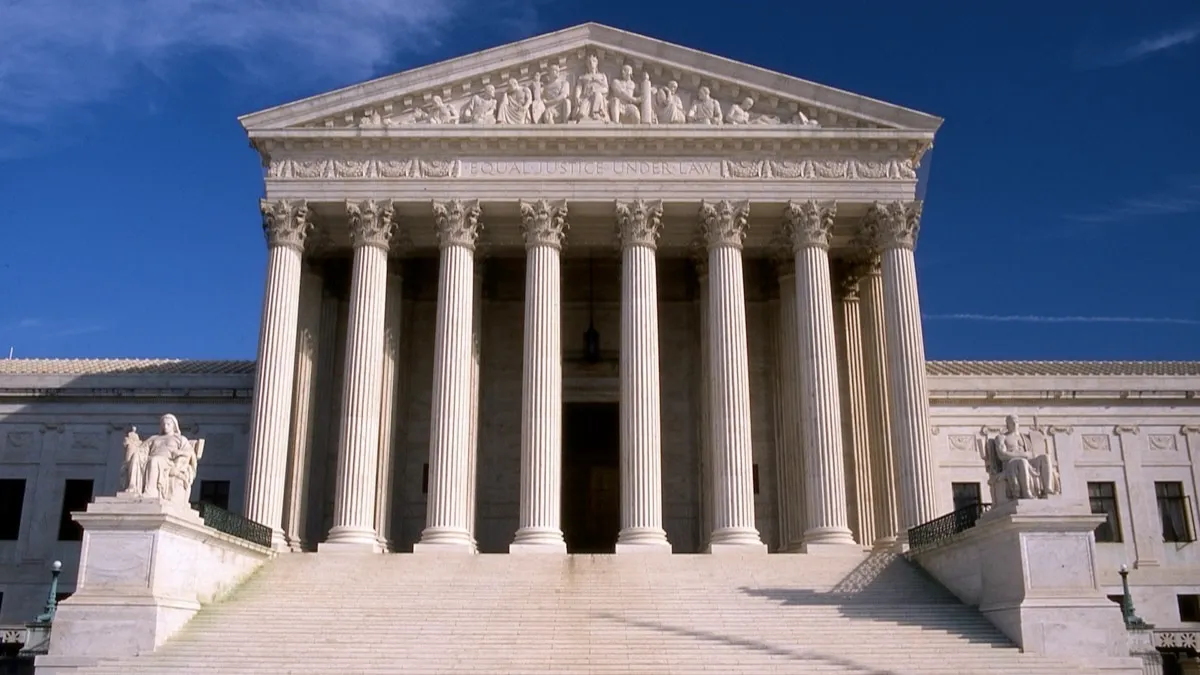
The federal government spends money only when Congress gives it permission to. Each year, lawmakers must pass funding bills, known as appropriations, for the fiscal year that starts on October 1. When that deadline passes without a law, many federal agencies must stop work. That is a government shutdown.
Shutdowns used to be rare and brief. In recent years they have become longer and more disruptive, and the most recent one set a record.
Why shutdowns happen
Most federal spending on day-to-day operations is covered by twelve annual appropriations bills, each funding a group of agencies. Congress often fails to pass them all on time and instead passes a continuing resolution, a stopgap that keeps funding at current levels for a set period.
If neither the regular bills nor a stopgap becomes law by the deadline, a federal law called the Antideficiency Act generally forbids agencies from spending money that hasn’t been approved. Agencies then follow shutdown plans and send many workers home.
Because funding bills need 60 votes to advance in the Senate, the minority party there has leverage. Shutdowns often happen when one side tries to attach a policy demand to government funding.
The record shutdown of 2025
The 2025 shutdown began on October 1, 2025, after a dispute over extending health care subsidies, and ended on November 12, 2025, when President Trump signed a funding bill. At 43 days, it was the longest in U.S. history, passing the 35-day shutdown of 2018 and 2019. The bill that ended it funded most of the government through January 30, 2026.
During those weeks, air traffic controllers and airport security officers worked without pay, flight delays grew, food assistance payments were thrown into uncertainty and many federal services slowed or stopped.
What closes
- Many federal offices and services that are not considered essential.
- New applications and routine processing at some agencies may slow or stop.
- National parks and museums may close or operate with limited staff, depending on the plan in place.
- Some federal data releases, inspections and research programs are paused.
What keeps running
- Social Security and Medicare benefits continue, because they are funded by permanent law rather than annual appropriations. Some customer services may be slower.
- The military stays on duty.
- Air traffic control, airport security, border protection, law enforcement and other functions that protect life and property continue, with “excepted” employees working without pay.
- The Postal Service keeps delivering mail, because it is funded mostly by its own revenue.
Who gets paid
Federal employees are either furloughed, meaning sent home, or required to keep working. Either way, they don’t receive paychecks during a shutdown. Since a 2019 law, federal employees are guaranteed back pay once the shutdown ends.
Federal contractors are different. They have no such guarantee, and many lose income they never get back. Businesses near national parks and federal facilities also lose customers.
How a shutdown affects you
For most people, the effects build over time. In the first days, few notice. After a few weeks, problems spread: longer airport lines and delays, slower permits and loan approvals, paused inspections and missed paychecks for federal workers and their families, which in turn hits local businesses.
What we think
Shutdowns don’t save money. Federal workers are paid for the time anyway, delayed work piles up and the disruption costs the economy billions. They are a political tool, and both parties have used them.
The 2025 record shows the risk is rising as Congress relies more on short-term deadlines. For households, the practical step is to know whether your income or services depend on federal funding, and to keep an emergency cushion if they do.