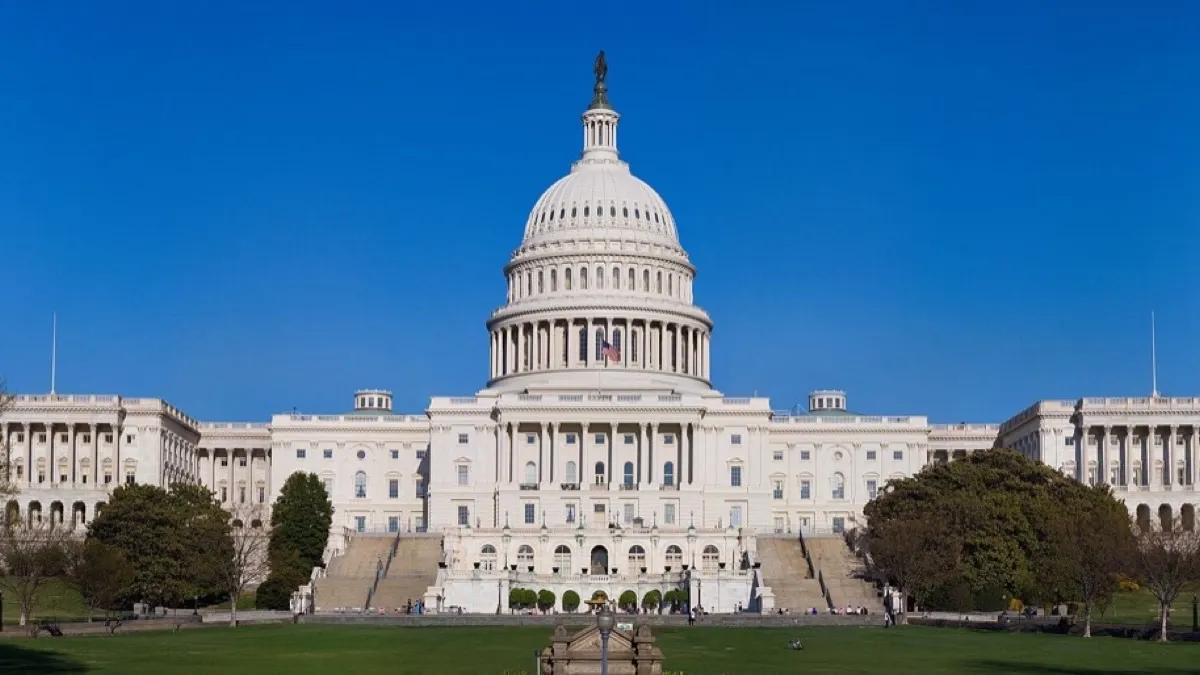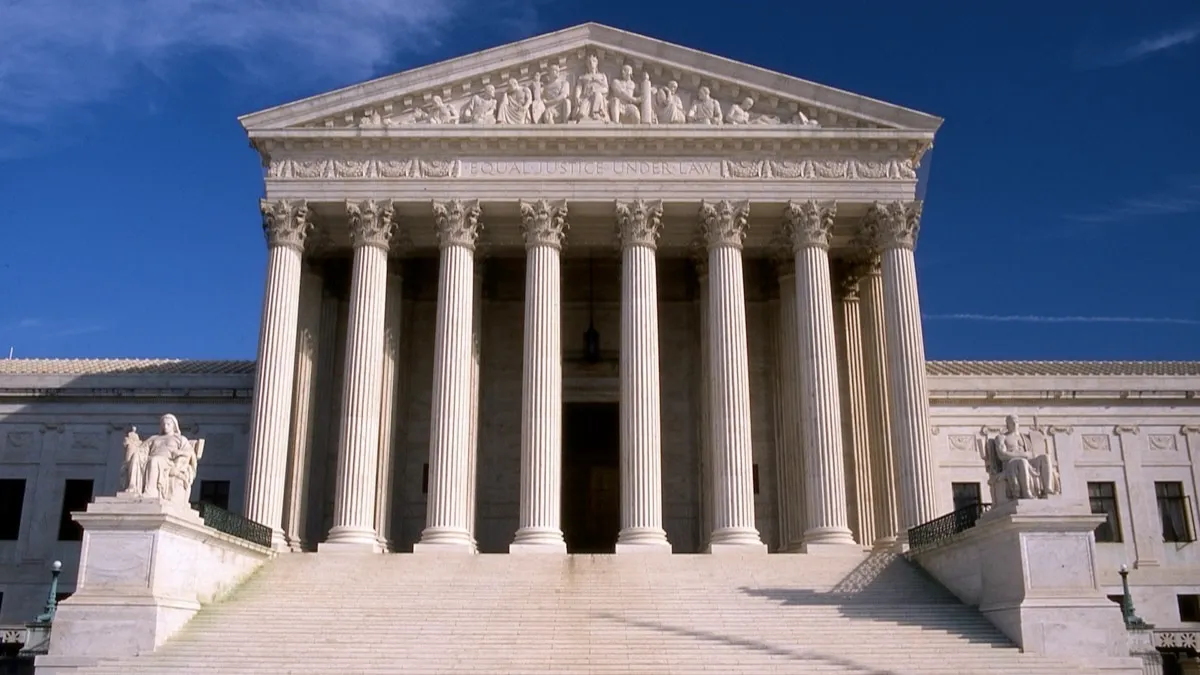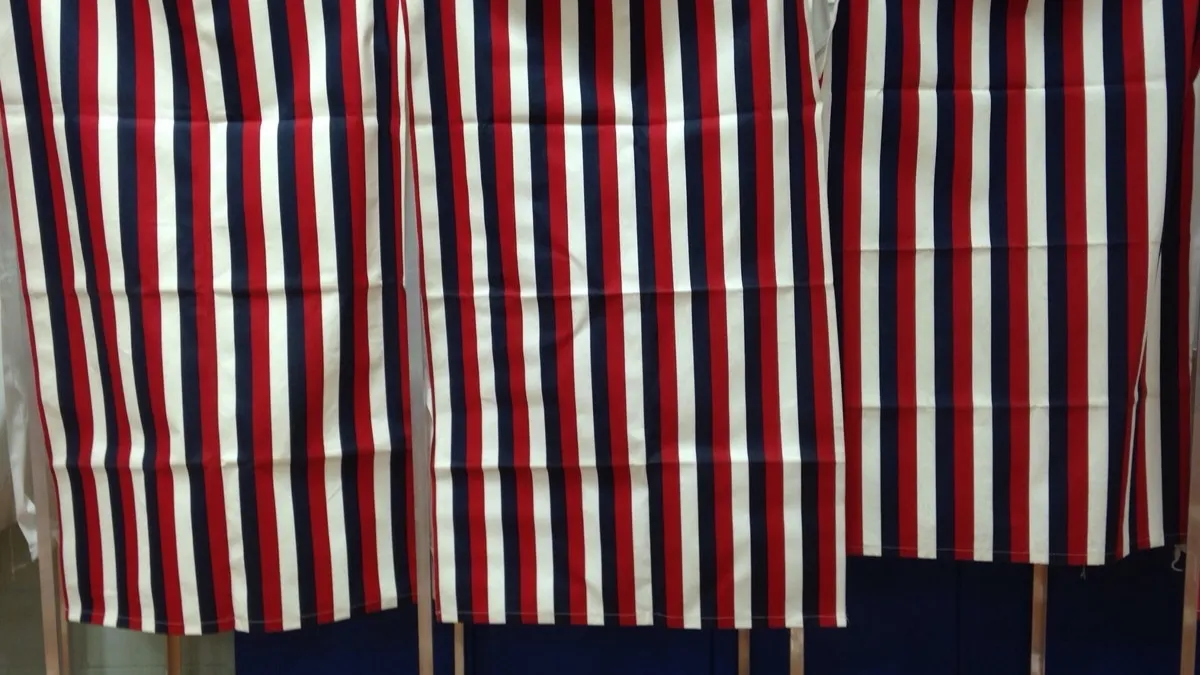
Americans went to the polls on Tuesday, November 3, 2026, to elect all 435 members of the House of Representatives, more than 30 senators and governors in 36 states, along with thousands of state and local officials and ballot measures. For many voters, election night felt like the finish line. In reality, it is the start of a process that runs into January.
Here is what happens between now and the moment winners take office, and why it takes as long as it does.
Counting does not stop on election night
The results you see on election night are unofficial and incomplete. Election offices keep counting for days and, in some places, weeks. The main reasons:
- Mail ballots. Many states allow ballots that are postmarked by Election Day to arrive several days later and still count. Some states also cannot begin processing mail ballots until Election Day itself, which slows the count.
- Military and overseas ballots. Federal law protects the right of service members and Americans abroad to vote, and states give these ballots extra time to arrive.
- Provisional ballots. Voters whose eligibility could not be confirmed at the polls cast a provisional ballot. Officials check each one afterward, and only those from eligible voters are counted.
- Ballot curing. In many states, voters whose mail ballot had a problem, such as a missing signature, get a few days to fix it.
Because of this, leads can shift after election night. In some states, in-person votes are reported first and mail ballots later; in others, the order is reversed. A changing lead usually reflects which ballots were counted when, not anything improper.
What a “race call” means
When a news organization “calls” a race, it is making a projection based on the votes counted so far, past voting patterns and where the remaining ballots come from. Organizations like the Associated Press have strict standards for doing this, but a call is not an official result. In close contests, they wait, sometimes for weeks.
The canvass and certification
After counting, local election officials conduct a canvass: they reconcile the number of ballots with the number of voters who checked in, review provisional ballots and check for errors. The results are then certified, first locally and then by the state, on deadlines set by state law. Certification usually happens between late November and mid-December. The certified result is the official one.
Recounts and runoffs
Recount rules depend on the state. Some states order an automatic recount when the margin falls below a set threshold, often a fraction of a percentage point. Others allow a candidate to request one, sometimes at their own expense. Recounts rarely change the outcome by more than a few hundred votes, so they mostly matter in exceptionally close races.
A few states require a winner to receive a majority, not just the most votes. If nobody clears 50%, the top two candidates meet in a runoff election held weeks later. Georgia is the best-known example for federal races.
The lame-duck session
Congress returns after the election for what is called a lame-duck session, with outgoing members still in office. This period often includes votes on government funding and other must-pass bills. Members who lost or retired can vote freely, which sometimes makes deals easier.
When winners take office
The 20th Amendment sets the start of each new Congress at noon on January 3. That is when newly elected senators and representatives are sworn in, and the House elects its speaker before anything else can happen. Governors and state officials take office on dates set by their own states, usually in January.
How to follow the count where you live
Your state’s secretary of state or election office publishes official results and certification deadlines. County election offices post updates on how many ballots remain to be counted. These sources are slower than television graphics, but they are the record that matters.
What we think
A slow count is not evidence of fraud. It is the visible result of rules designed to make sure every legal ballot counts, including those from troops overseas and voters who mailed their ballot on time. Speed and accuracy pull against each other, and most states have chosen accuracy.
For readers, the practical advice is simple: treat election night as a first draft. Wait for certified results in close races, and be skeptical of anyone claiming victory or fraud before the canvass is done.