If you have Medicare, the next few weeks are the one time each year when almost anyone can change their coverage. Open enrollment began on October 15 and ends on December 7, 2026. Any change you make takes effect on January 1, 2027, and the plan must receive your request by December 7.
Doing nothing is also a choice. If you don’t act, most people stay in their current plan for another year, even if its costs or covered drugs have changed. That is why it pays to spend an hour checking.
What you can change
During open enrollment you can:
- Switch from Original Medicare to a Medicare Advantage plan, or from Medicare Advantage back to Original Medicare.
- Move from one Medicare Advantage plan to another, with or without drug coverage.
- Join, switch or drop a stand-alone Part D prescription drug plan if you have Original Medicare.
What is new for 2027
- Higher drug cost cap. The yearly limit on what you pay out of pocket for covered prescriptions rises to $2,400, from $2,100 in 2026, according to the Associated Press. Once you reach it, you pay nothing more for covered drugs for the rest of the year.
- Higher deductible. The standard Part D deductible goes up from $615 to $700. Many plans charge less than the standard amount, so check yours.
- Negotiated drug prices. Medicare-negotiated prices take effect for 15 more drugs, including the diabetes and weight-loss medicines Ozempic, Rybelsus and Wegovy, as well as Trelegy Ellipta, Xtandi and Otezla. CMS expects the negotiated prices to save Medicare enrollees $685 million in 2027.
- Premium help ending. A temporary federal subsidy that has held down Part D premiums since 2024 ends this year. CMS projects only modest premium increases for most people, but your plan’s change may differ.
- Advantage plan cutbacks. Advocates warn that some Medicare Advantage plans are leaving certain areas, trimming extra benefits such as dental coverage or raising cost-sharing.
Your checklist
- Read your plan’s Annual Notice of Change. Plans mail it each fall. It lists changes to premiums, deductibles, copays, covered drugs and the provider network for next year.
- Check every drug you take. Make sure each one is still on the plan’s list of covered drugs, called the formulary, and note which cost tier it is on. A drug moving to a higher tier can raise your costs sharply.
- Check your doctors and pharmacy. Medicare Advantage plans usually have networks. Confirm that your doctors, specialists, hospital and preferred pharmacy are still in network for 2027.
- Compare total yearly cost, not just the premium. A plan with a $0 premium can cost more over a year if its deductible and copays are higher for the drugs and care you use.
- Use the official tool. The Medicare Plan Finder at Medicare.gov lets you enter your drugs and pharmacy and compares estimated yearly costs across the plans available where you live.
- Get free help if you need it. Every state has a State Health Insurance Assistance Program (SHIP) that offers free, unbiased counseling. You can also call 1-800-MEDICARE.
Missed the deadline?
If you are in a Medicare Advantage plan, you get a second chance between January 1 and March 31. During that window you can switch to a different Advantage plan once, or leave Advantage for Original Medicare and add a drug plan. People in Original Medicare don’t get that window, so December 7 is the date that matters.
There are also special enrollment periods for life changes, such as moving out of your plan’s service area or losing other coverage.
Watch out for pressure tactics
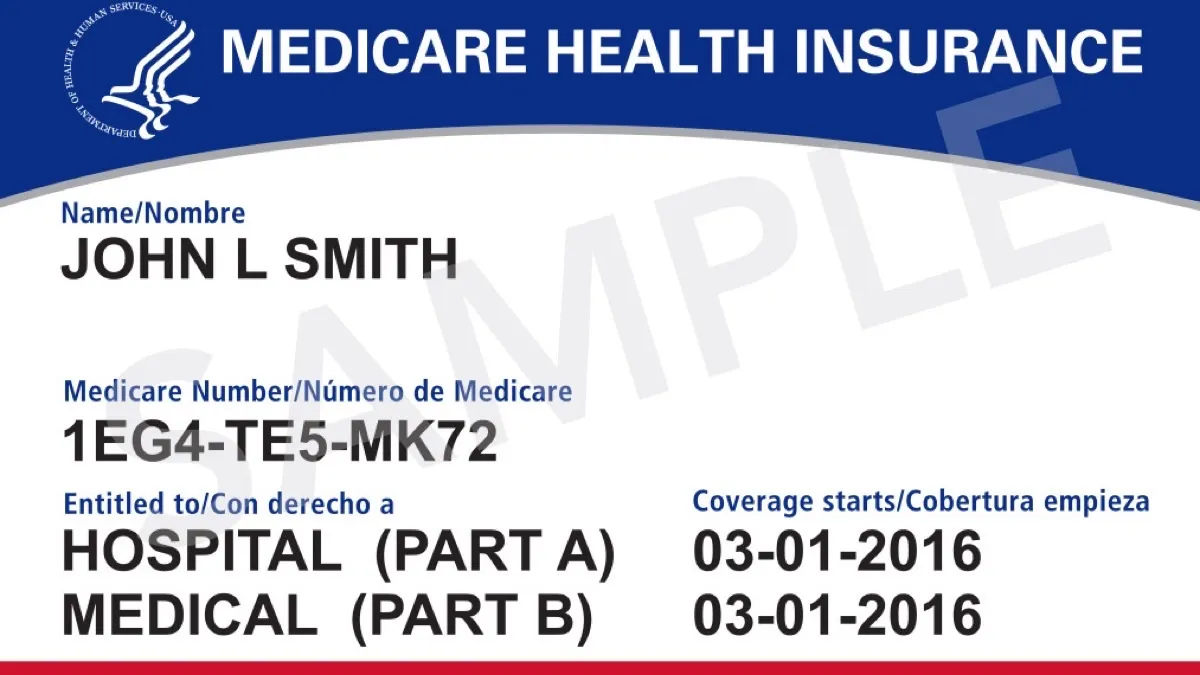
Open enrollment brings a flood of TV ads, mailers and phone calls. Medicare itself won’t call you to sell a plan. Be cautious with anyone who calls uninvited, asks for your Medicare number or pushes you to decide on the spot. Your Medicare number should be treated like a credit card number.
What we think
The higher drug cap and the end of the premium subsidy mean some people will pay more in 2027 even if they change nothing, while people on newly negotiated drugs could pay less. Either way, the plan that suited you last year may not be the best one next year. The single most useful step is to put your current prescriptions into the Plan Finder before December 7 and compare the yearly totals.