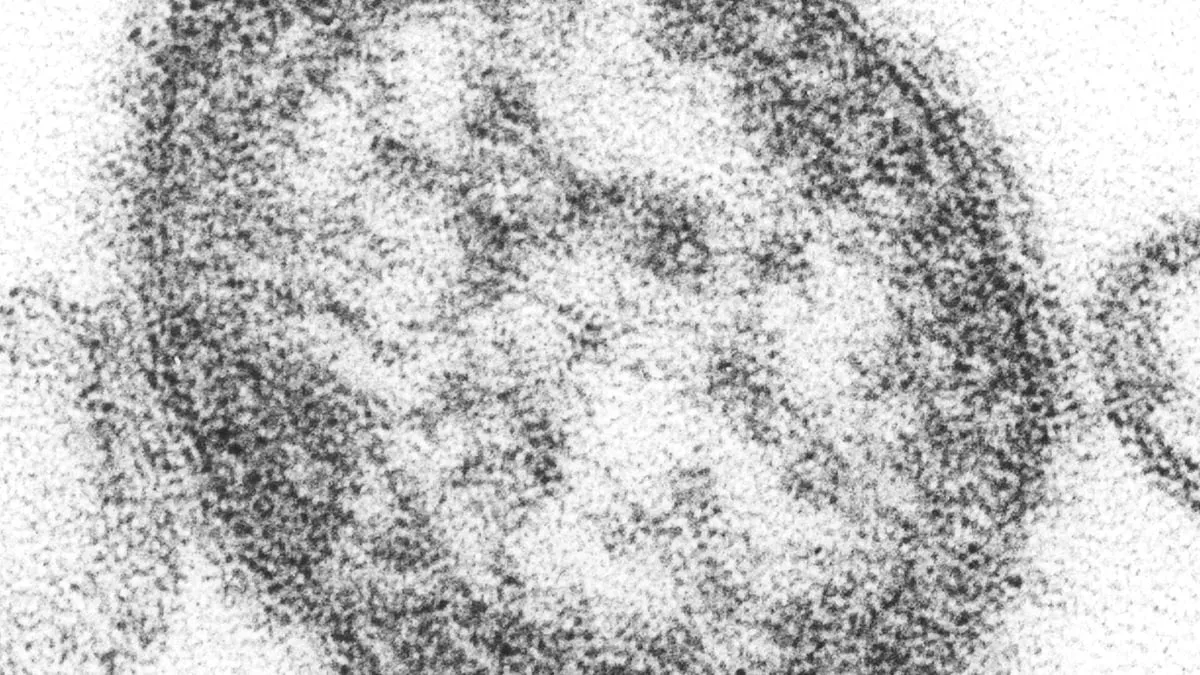
For a quarter of a century, the United States has officially been free of measles spreading on its own soil. That could change this week.
An independent commission of the Pan American Health Organization (PAHO), the World Health Organization’s office for the Americas, is meeting from November 10 to 13 to decide whether the U.S. can still be called measles-free. The country earned that status in 2000. Mexico, which also has a large outbreak, is being reviewed at the same meeting.
The numbers behind the review
The CDC had counted 4,852 confirmed measles cases this year as of October 29. That already exceeds twice last year’s full total of 2,289, and it makes this the country’s worst year for measles in more than three decades.
- About 96% of this year’s cases are linked to outbreaks.
- Roughly one patient in 10 has needed a hospital stay. Among children younger than 5, the share is about 16%.
- State health departments have reported eight measles deaths this year: Pennsylvania has six, while New York and Wisconsin have one each. At least four of them were babies or children. The CDC lists four deaths, because since September it counts a death only after a death certificate confirms measles as the underlying cause.
The 12-month test
The decision does not depend on how many people get sick. It depends on genetics.
PAHO considers measles to be endemic again when the same strain of the virus, identified by its genotype and lineage, circulates without a break for 12 months or more. For the U.S., the clock starts on January 20, 2025, when the outbreak in West Texas began. Scientists compare the genetic sequences of viruses from different outbreaks to see whether they form one continuous chain or separate introductions from abroad.
A long outbreak doesn’t automatically prove an unbroken chain, and the national reports countries submit are not public. So outside experts can’t be sure what the commission will conclude.
When we’ll know
The commission doesn’t announce its ruling itself. It sends recommendations to PAHO’s director, who informs national governments. Last year, when the same commission concluded that Canada had lost its elimination status, its meeting ended on November 7 and the public announcement came three days later. With Canada’s ruling, the Americas also stopped counting as a region where measles no longer circulates.
If the U.S. loses its status, it would take at least 12 months without continuous spread, backed by data on vaccination and disease tracking, to win it back.
What it would and wouldn’t change
A ruling won’t make the virus any more contagious or the vaccine any less protective. It would formally recognize that measles now circulates within the country, rather than mostly arriving with travelers. Health officials say that could add pressure on federal and state agencies to close gaps in vaccination, especially in schools and close-knit communities where coverage is low.
Pennsylvania shows both the problem and one way to respond. The state has confirmed more than 1,500 cases, and more than 500 of them are in Lancaster County, where some 45,000 Amish people live. In surveys, roughly one Amish family in three in the area says it vaccinates its children. NPR reported that health workers in neighboring Chester County have switched to quiet, word-of-mouth outreach, with one county nurse delivering over 400 shots of the measles, mumps and rubella (MMR) vaccine in people’s kitchens and living rooms.
How to check that you’re protected
- Two doses of MMR are about 97% effective at preventing measles, according to the CDC. One dose is about 93% effective.
- Children usually get their first dose at 12 to 15 months and the second at 4 to 6 years.
- Adults who aren’t sure can check childhood records, ask a doctor for a blood test that shows immunity, or simply get another dose. An extra dose is considered safe.
- People born before 1957 are generally assumed to be immune, because nearly everyone caught measles as a child back then.
- Babies under a year old normally haven’t had their first shot yet, so they rely on the people around them being immune. Those aged 6 to 11 months can get an early dose before traveling abroad.
If you think you’ve been exposed, call your doctor or clinic before going in, so staff can take steps to keep the virus from spreading in the waiting room.