A new analysis shared at the American Heart Association’s annual Chicago meeting has put energy drinks back in the spotlight. Researchers looked at reports sent to the Food and Drug Administration and found that serious heart problems came up far more often for products containing caffeine or other stimulants than for those without them. Nearly half of the heart-related reports tied to those products involved adults between 18 and 34.
That is a concerning signal. It is also a much narrower finding than headlines suggest, so it helps to go through exactly what was done.
What the researchers did
The team reviewed FDA adverse-event reports filed from 2017 to 2025 for foods, drinks and supplements, covering people aged 13 and older. Of 28,345 reports describing cardiovascular problems, 854 involved products containing caffeine or other stimulants such as guarana, yerba maté, synephrine or yohimbine. The other 27,491 involved products without those ingredients.
Compared with that second group, the stimulant-product reports mentioned:
- Cardiac arrest about 11 times as often
- Heart attack about 4.5 times as often
- Ventricular arrhythmias or palpitations about 4 times as often
- Elevated heart rate nearly 3 times as often
- Chest pain 2.71 times as often
- Fainting about twice as often
About 45 percent of the cardiovascular reports in the stimulant group involved adults aged 18 to 34, an age group that doctors do not typically think of as being at high risk for heart emergencies. Patterns were similar in men and women.
The findings are from a conference abstract, which has not been through full peer review. Sai Samayamanthula, a medical student at the University of Virginia who presented the work, said occasional use likely carries little risk for many healthy people, while regular users can easily go over recommended caffeine limits.
Why “11 times” does not mean 11 times the risk
This is the most important point in the study, and the one most likely to be lost. The figure compares how often an event shows up among reports. It does not compare how often it happens among people who drink these products.
Nobody knows how many cans were consumed without any problem, because people do not file a federal report after an uneventful energy drink. Reporting is voluntary, details can be incomplete, and a dramatic event like cardiac arrest is much more likely to be reported than a mild one. Trade groups were quick to make that argument: the Council for Responsible Nutrition said the analysis cannot measure how common these events are, and the American Beverage Association said food safety regulators consider energy drinks safe.
Note also how small the stimulant group is, at about 3 percent of all the reports reviewed. A modest number of cases can produce a large-looking multiple.
Other factors could matter as well, including alcohol or drug use, hard exercise and undiagnosed heart conditions. Dr. Gregory Marcus, a cardiologist not involved in the work, told the AHA that more research is needed to know whether the products are truly responsible.
How much caffeine is too much
The AHA and the FDA both cite up to 400 milligrams a day as generally safe for most healthy adults. Sensitivity varies, and that number does not apply to children, pregnant people or those with certain conditions.
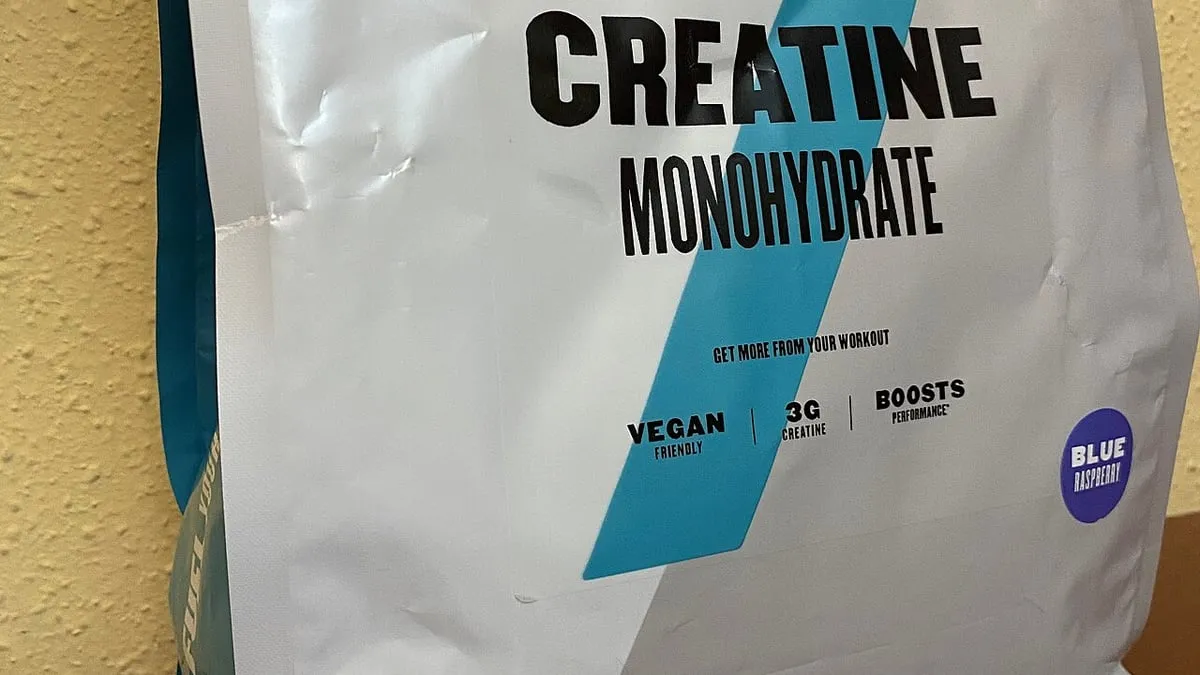
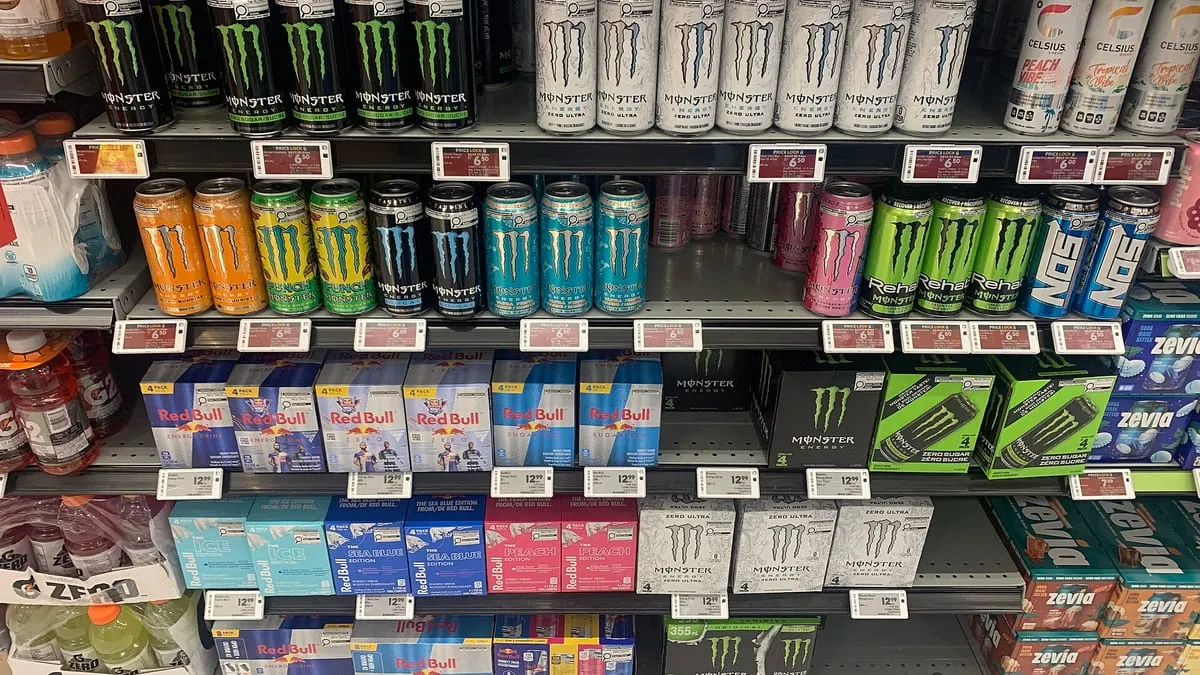
Reaching the limit is easier than it sounds. An 8-ounce cup of coffee usually has somewhere around 95 milligrams. Many 16-ounce energy drinks contain roughly 160 to 300 milligrams, and the AHA says certain energy drinks pack as much as triple the caffeine of brewed coffee, ounce for ounce, while some pre-workout powders have more than 12 times as much. Add a coffee in the morning and a pre-workout at the gym, and a person can pass 400 milligrams before lunch.
Regulation adds to the confusion. Because these products are sold as foods or dietary supplements, they do not go through the premarket safety testing required of medicines.
What to do
- Read the label. Add up caffeine from every source in a day, not one can at a time.
- Be careful with combinations. Alcohol, stimulant medications and hard workouts are all possible contributors.
- Talk to a doctor first if you have been diagnosed with a heart problem, if a close relative died suddenly of cardiac causes, or if you take stimulant or heart-rhythm medication.
- Take symptoms seriously. Palpitations, chest pain, lightheadedness or fainting deserve medical attention. Call 911 for severe symptoms. Tell the clinician what you drank, because doctors are now being urged to ask.
This article is general information and not a substitute for advice from your own doctor.