Teenagers in California will soon need a prescription to buy many diet pills and muscle-building supplements. Gov. Gavin Newsom signed Assembly Bill 2030 on September 28, and it takes effect on January 1, 2027.
The law has drawn new attention as stores and online sellers prepare for it, and because it touches products that are popular with teens who play sports or follow fitness influencers.
What the law does
AB 2030 bars sellers from providing two kinds of products to anyone under 18:
- Over-the-counter diet pills.
- Dietary supplements that are “labeled, marketed or otherwise represented” for weight loss or building muscle.
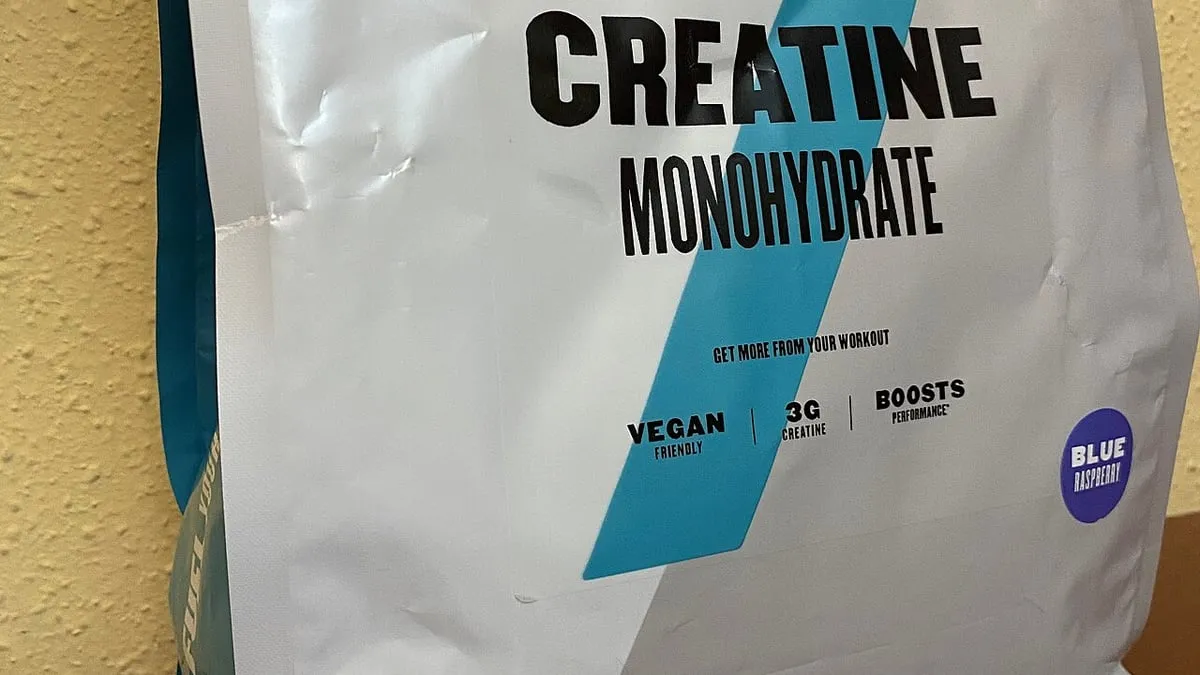
The key point is marketing. The law does not ban any single ingredient outright. Instead, it looks at how a product is sold. When deciding whether a product is covered, courts can consider whether it contains ingredients such as creatine, green tea extract, raspberry ketone, garcinia cambogia or green coffee bean extract.
Minors with a prescription for one of these products are exempt. Sellers who break the law can be fined up to $500 for each violation.
Why lawmakers acted
The governor’s office said supplements that are not prescribed or approved by regulators “may cause dangerous side effects,” and that some are mislabeled or contaminated with substances such as steroids. Unlike medicines, dietary supplements do not need approval from the Food and Drug Administration before they go on sale.
The announcement also pointed to research suggesting that nearly one in 10 adolescents have used these products, and to studies linking over-the-counter diet pills to a sixfold higher chance of being diagnosed with an eating disorder within three years.
The Center for Science in the Public Interest, a consumer group that co-sponsored the bill, argued that makers of these products often target young people with claims that lack scientific evidence.
The objections
The supplement industry opposed the law. The American Herbal Products Association, a trade group, said the measure lacks scientific justification and could cast doubt on safe products. It also argued that the law’s scope is unclear, noting that it does not specifically exempt protein products.
That uncertainty is the main open question for families. The announcement did not say whether everyday products such as whey protein powder or plain creatine will be affected. Under the law’s wording, the answer may depend on how each product is labeled and advertised.
California is not the first state to act. New York adopted a similar restriction on selling diet pills and muscle-building supplements to minors in 2023.
What doctors say about teens and supplements
Pediatricians have long been cautious about these products for young athletes. Writing for HealthyChildren.org, the American Academy of Pediatrics’ site for parents, sports medicine physician Dr. Sigrid Wolf of Lurie Children’s Hospital of Chicago said evidence of benefits from creatine in teenagers is limited. Possible side effects include weight gain, dizziness, nausea, vomiting and diarrhea. She also warned that many supplements contain harmful substances that go undetected.
Instead, she recommends that teens focus on the basics: good nutrition, sensible training, enough sleep and staying hydrated.
Questions to ask if your teen uses supplements
- What exactly is in it? Read the full ingredient list, including “proprietary blends,” which do not disclose amounts.
- Is it third-party tested? Seals from independent testing programs such as NSF Certified for Sport or USP Verified mean a product was checked for contaminants. They do not prove it works.
- Why does your teen want it? Pressure to lose weight or bulk up quickly can be a sign of unhealthy body image. Signs worth raising with a doctor include skipping meals, intense worry about weight or shape, and exercising through injury.
- Has a doctor been consulted? A pediatrician or sports medicine doctor can advise on whether a product is necessary or safe for your child.
For most teenagers, food provides all the protein and energy they need for sports. Milk, eggs, yogurt, beans, fish and meat are cheaper than supplements and come without the guesswork.