The Atlantic hurricane season officially ends on November 30. Before this year’s season began, NOAA predicted it would be below normal, forecasting 8 to 14 named storms, of which 3 to 6 would become hurricanes and 1 to 3 major hurricanes. An average season, by comparison, has about 14 named storms, seven hurricanes and three major hurricanes.
Storms can still form after the official end date, but they are rare. Here is how these storms work.
How a hurricane forms
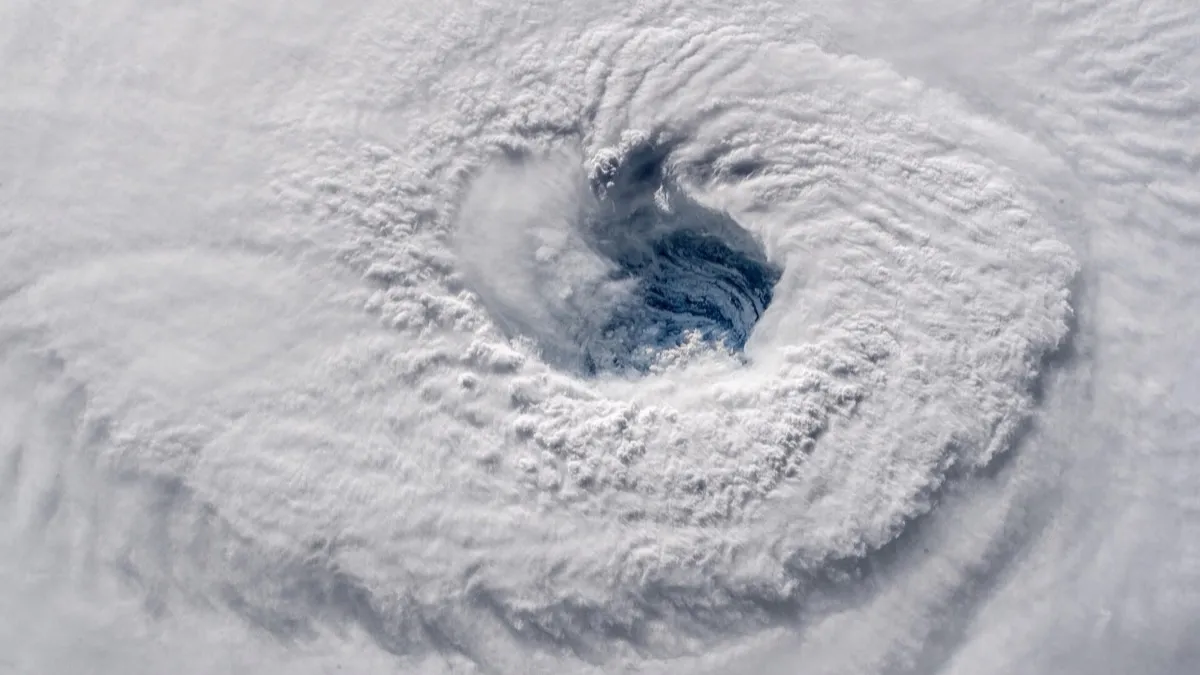
Hurricanes are tropical cyclones: huge, rotating storm systems that draw their energy from warm ocean water. A few ingredients have to come together:
- Warm water. Ocean surface temperatures of roughly 80°F (about 26.5°C) or warmer, to a depth of at least about 150 feet, provide heat and moisture.
- Moist air in the middle of the atmosphere, which helps thunderstorms keep growing.
- Light winds high in the atmosphere. Strong winds at altitude, called wind shear, tear developing storms apart.
- Distance from the equator. The rotation of the Earth, which gives storms their spin, is too weak right at the equator, so hurricanes rarely form within about five degrees of it.
Warm, moist air rises, cools and condenses into towering clouds, releasing heat that warms the surrounding air and lowers pressure at the surface. More air rushes in to replace it, and the Earth’s rotation sets the whole system spinning. In the Northern Hemisphere, hurricanes spin counterclockwise.
From depression to hurricane
- Tropical depression: an organized system of storms with sustained winds below 39 mph.
- Tropical storm: winds of 39 to 73 mph. At this point, the storm gets a name.
- Hurricane: winds of 74 mph or more.
Atlantic storm names come from six lists that are reused in rotation. The names of especially deadly or destructive storms are retired and replaced.
The five categories
The National Hurricane Center uses the Saffir-Simpson Hurricane Wind Scale, based only on a storm’s maximum sustained winds:
- Category 1: 74 to 95 mph. Damage to roofs, siding and gutters; large branches snapped.
- Category 2: 96 to 110 mph. Major roof and siding damage; many trees uprooted; power outages likely for days or weeks.
- Category 3: 111 to 129 mph. Devastating damage. This is the start of “major hurricane” status.
- Category 4: 130 to 156 mph. Catastrophic damage; areas may be uninhabitable for weeks or months.
- Category 5: 157 mph or higher. Catastrophic damage, with many homes destroyed.
Why water is the bigger danger
The category scale measures wind, but water causes most hurricane deaths. Storm surge, the rise in sea level pushed ashore by a storm’s winds, can flood coastal areas with several feet of water within hours. Heavy rain can cause flooding far inland, long after winds weaken. A lower-category storm that moves slowly can be more dangerous than a stronger one that passes quickly.
That is why evacuation orders are usually based on storm surge zones, not on a storm’s category.
Peak season
Atlantic hurricane activity typically peaks around September 10, when ocean waters are warmest. Late-season storms in October and November more often form in the western Caribbean and the Gulf of Mexico.
What we think
A storm’s category is the most famous number in hurricane forecasting, but it measures only wind. Storm surge and rain flooding are what usually kill, which is why it matters to know your evacuation zone, not just the forecast category.
A below-normal season is good news, but it is no reason for complacency next year. It only takes one hurricane making landfall near your home to make it a bad season for you.