Heart attacks and strokes are two of the most common medical emergencies in the United States. The CDC says someone in the country has a heart attack every 40 seconds. Both conditions share one rule: the faster treatment starts, the more of the heart or brain can be saved.
Many people wait too long because the symptoms don’t match what they have seen in movies. Knowing the real signs, and what to do in the first few minutes, can change the outcome.
What is happening in the body
A heart attack happens when blood flow to part of the heart muscle is blocked, usually by a clot in a narrowed artery. Without oxygen, that part of the muscle starts to die.
Most strokes work the same way in the brain: a clot blocks an artery that supplies brain tissue. A smaller share are caused by bleeding in the brain. In both cases, brain cells begin dying within minutes.
Heart attack warning signs
According to the CDC, the main signs are:
- Pain, pressure, squeezing or a feeling of fullness in the center or left side of the chest that lasts more than a few minutes or goes away and comes back.
- Feeling weak, light-headed or faint, sometimes with a cold sweat.
- Pain or discomfort in the jaw, neck or back.
- Pain or discomfort in one or both arms or shoulders.
- Shortness of breath, either with chest discomfort or before it starts.
Some people also feel unusually tired or sick to their stomach, or vomit. Women are more likely than men to have these less typical symptoms, which is one reason heart attacks in women are sometimes missed or dismissed as stress or indigestion.
Stroke warning signs: think BE FAST
Stroke symptoms come on suddenly. Watch for sudden numbness or weakness in the face, an arm or a leg, especially on one side of the body; sudden confusion or trouble speaking or understanding; sudden trouble seeing; sudden dizziness or loss of balance; and a sudden, severe headache with no known cause.
The CDC’s quick check uses the letters BE FAST:
- B for balance: is the person suddenly dizzy or off-balance?
- E for eyes: are they having sudden trouble seeing?
- F for face: ask them to smile. Does one side droop?
- A for arms: ask them to raise both arms. Does one drift down?
- S for speech: ask them to repeat a simple sentence. Is it slurred or strange?
- T for time: if you see any of these signs, call 911 right away.
What to do, step by step
- Call 911 immediately, even if you are not sure. Emergency crews would much rather check a false alarm than arrive too late.
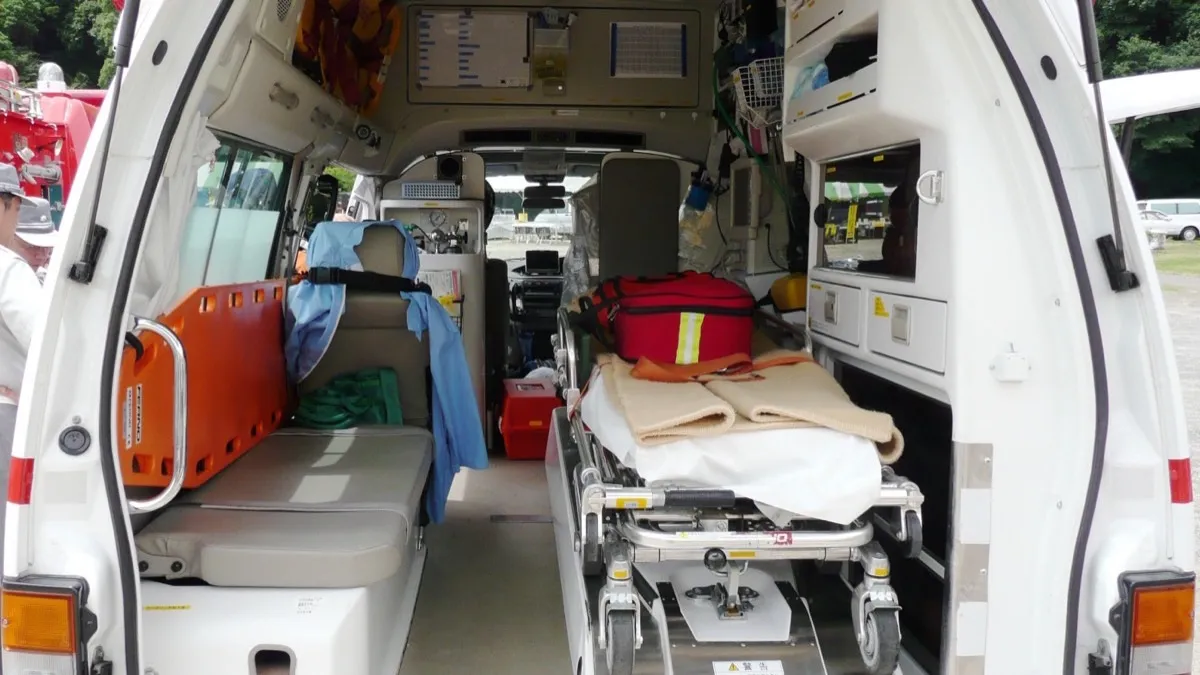
- Don’t drive yourself or have someone drive you. Paramedics can start treatment on the way and alert the hospital, so the right team is ready when you arrive.
- Note the time the symptoms started. For stroke, this matters a great deal: the most effective treatments work only if the stroke is recognized and diagnosed within about three hours of the first symptoms.
- For a suspected heart attack, follow the 911 dispatcher’s instructions. They may tell you whether the person should chew an aspirin, which isn’t safe for everyone.
- If the person becomes unresponsive and isn’t breathing normally, start CPR and ask someone to find an automated external defibrillator (AED). Public AEDs talk you through each step.
Why people wait, and why they shouldn’t
The most common reasons for delay are hoping the symptoms will pass, not wanting to cause a fuss and worrying about the cost of an ambulance. But a heart attack or stroke treated late can mean permanent damage, long rehabilitation and far higher costs. Every minute of delay matters.
Lowering your risk
Many heart attacks and strokes are linked to risk factors that can be managed: high blood pressure, high cholesterol, diabetes, smoking, obesity and physical inactivity. High blood pressure in particular often has no symptoms, so the only way to know is to have it checked. Ask your doctor how often you should be screened, and take prescribed medicines as directed.
What we think
The single most useful thing you can do today is make sure everyone in your household knows these signs and knows to call 911 rather than drive. It takes five minutes to explain BE FAST at the dinner table, and it may be the most important health conversation you have this year.
This article is general information, not medical advice. If you have symptoms or questions about your own health, talk to a doctor, nurse or pharmacist. In an emergency, call 911.